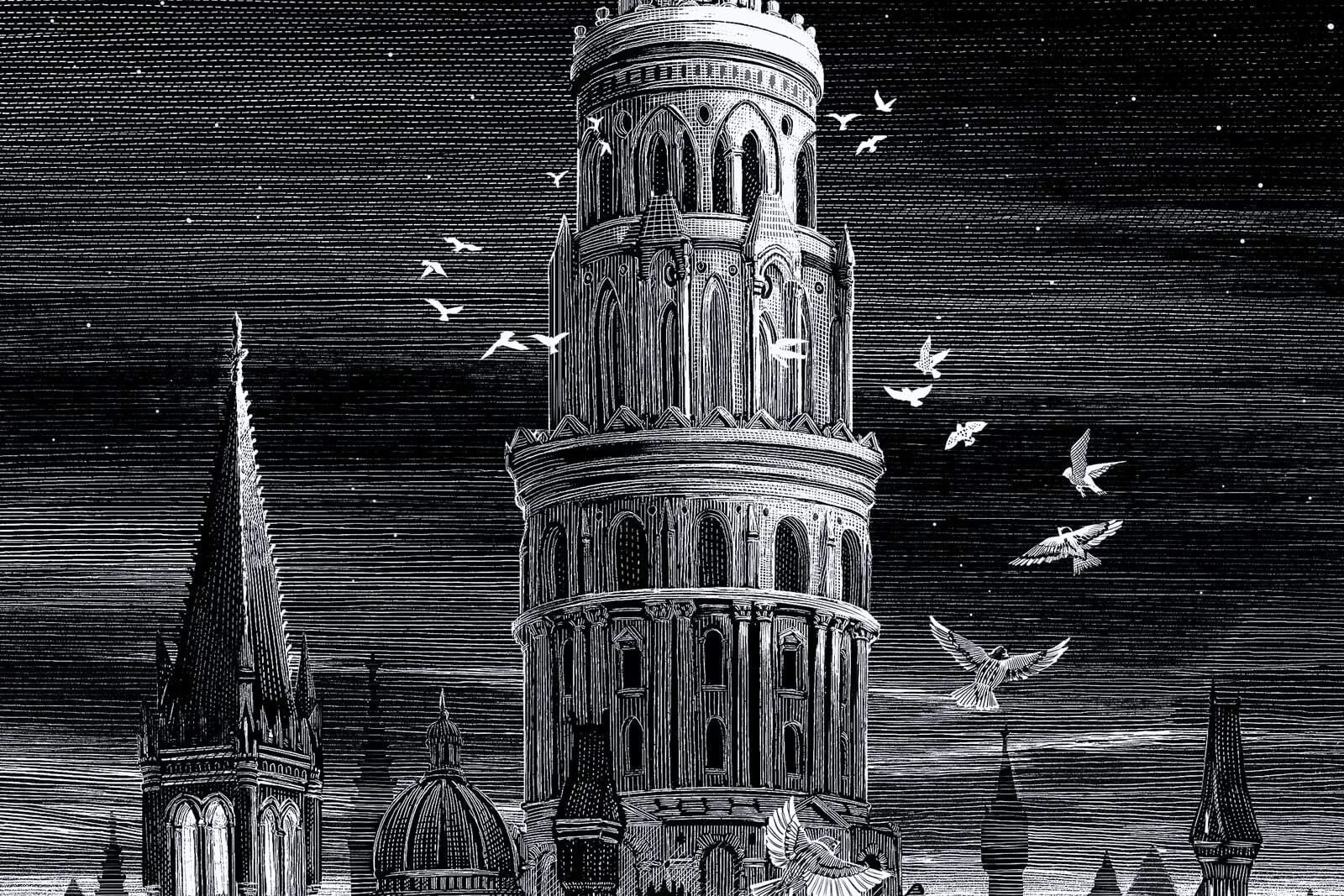
Babel: A deeply polarizing, linguistics-focused historical fiction novel
“This is how colonialism works. It convinces us that the fallout from resistance is entirely our fault, that the immoral choice is resistance itself rather than the circumstances that demanded it.”
Me reading Babel
The Conflict & the Necessity of Violence
The core conflict of Babel is the tension between assimilating between an oppressive imperial system and rebelling against it, as well as what implications the weight of this rebellion has. Robin has an allegiance to the Royal Institute of Translation, as well as his (spoiler alert) biological father Professor Lovell. The academic success of Babel comes from the subjugation of his homeland, China. Once Robin and his group realize that reform is impossible, they must resort to violence to dismantle the empire. There are also macro-conflicts between the British and Chinese through the Opium Wars.
Exploring Babel through a Linguistics Perspective
As an enthusiastic linguist, of course one of the major reasons I was drawn to Babel was its exploration of the power of language and translation. One of the biggest issues I had with Babel’s portrayal of language is that it seems to group the entirety of China’s dialects into simply one “Chinese language” (Mandarin). For instance, Robin’s internal thoughts are all in Mandarin when he descends from Canton, which is a historically Cantonese-speaking region (or at least has strong Cantonese influence, which was more so prominent in the 19th century. That aside, I believe Babel is quite faithful to the approach of linguistics that many scholars took back then. The entire magic system itself and the idea of an imperfect translation was artfully woven into the story, and for the average reader without much background in linguistics, I believe is an excellent work. Although there is some romanticization in the idea of bilingualism and what it means to be fluent in a language, the core idea of the book (how many things become “lost in translation”) was maintained.
The Premise
Babel is set in 1830s Oxford. The Royal Institute of Translation, also known as Babel, is the global centre of magic in the heart of London, which at the time is fueling the Industrial Revolution and the ever-growing power of the British Empire. The magic system is known as “silver-working,” which captures the magical energy emitted from two highly similar words in different languages. The caster of this magical spell must have near-native fluency in the languages in use. Hence are the need for scholars around the world proficient in multiple languages.
One of these chosen scholars is Robin Swift, an orphan as a result of the cholera pandemic in Canton, China. He is fully Chinese, but lacks a connection to his home country due to his abduction at a young age. He is brought to Oxford, where he meets a few core friends in his cohort. These include Ramy, a linguistics student from Calcutta, India; Victoire Desgraves, a translator from Haiti; and Letty Price, the daughter of a British admiral.